Delivery & Process Oct 7, 2026
What Happens in the First 30 Days of a Software Project
The first month sets the tone for the whole project. Here is what a well-run start looks like, what you should have by day 30, and what your team needs to provide.
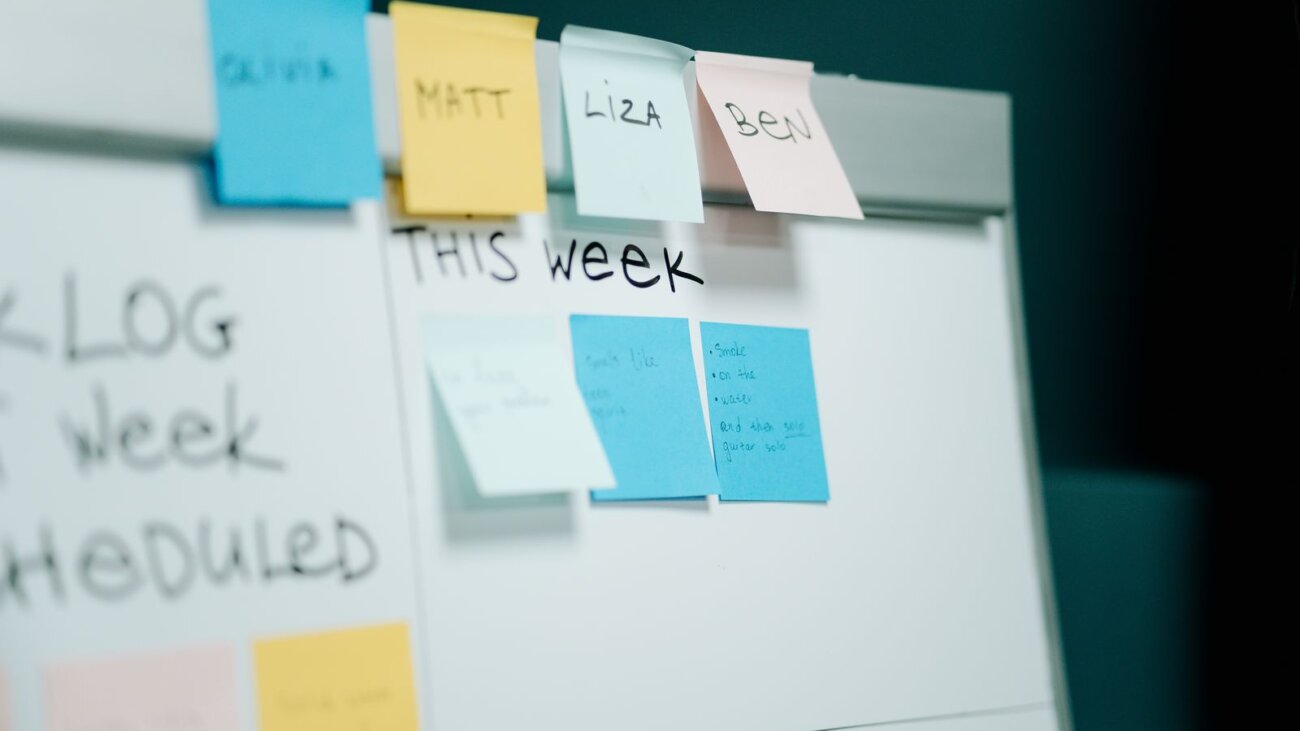
The first 30 days of a software project do more to decide its outcome than any other period. Decisions made early about scope, architecture and ways of working are the hardest and most expensive to change later. A well-run start feels structured and a little demanding, and it should leave you with real evidence of progress, not just a plan.
Week one: alignment and discovery
The first days are about understanding, not building. The team learns your business goals, your users and the constraints that cannot move. Expect workshops and interviews with the people who will use the system and the people who will pay for it.
- A shared definition of success, with measurable outcomes.
- Clarity on who the users are and their most important tasks.
- A list of risks, unknowns and dependencies, such as other systems, data sources and approvals.
- Agreement on who makes decisions and how quickly.
Week two: architecture and planning
With the problem understood, the engineers choose an approach. That means the high-level architecture, the main technologies and how the team will host, secure and monitor the system. Good teams explain the trade-offs behind each choice in plain language, so you can challenge them.
This is also when the team prioritises the scope. The team ranks features by value and effort, and defines the first release as the smallest version that delivers real benefit. The output is a roadmap with milestones, not a promise that everything will arrive at once.
Weeks three and four: the first working software
Development begins in short cycles (the approach described in the Scrum Guide), and you should see working software early. Behind the scenes, the team sets up the foundations that make everything after it faster and safer:
- Source control and a consistent way of reviewing code.
- Automated builds and tests that run on every change.
- A staging environment where you can try the work before it reaches users.
- Basic monitoring, so problems are visible from the start.
By the end of the month, a thin but real slice of the product should be running, even if it is rough. Seeing one end-to-end workflow, from the interface to the data, proves that the architecture holds together.
What you should have after the first 30 days
- A written scope for the first release and a prioritised backlog.
- An architecture overview you understand, with the main risks named.
- A working demo of at least one real workflow.
- A delivery rhythm you can predict: regular demos, a steady communication cadence and visible progress.
- Timeline and budget ranges that are realistic and refined by what the team has learned.
What the team needs from you
Projects slow down most often because of waiting, not because of engineering. You can protect the schedule by providing:
- One empowered decision-maker who can answer questions within a day.
- Access to users, subject experts and existing systems early.
- Prompt feedback on demos, since a delayed review delays everything behind it.
- Any credentials, data samples and compliance requirements, as soon as you know them.
Common pitfalls in the first 30 days
- Skipping discovery to start coding sooner, then rebuilding when assumptions prove wrong.
- Trying to launch everything at once instead of a focused first release.
- No single owner on the client side, which leads to conflicting feedback.
- Treating the plan as fixed. A good plan is a living document that improves with evidence.
What good communication looks like
Communication is where many projects quietly succeed or fail. In a healthy start, you should never have to wonder what the team is doing. Expect a predictable rhythm rather than ad hoc updates:
- A short daily or near-daily exchange inside the team, with a way for you to see progress without being pulled into every discussion.
- A weekly demo of working software, however small, where you can react to real screens rather than descriptions.
- One written summary each week that covers what the team completed, what comes next, what blocks progress and what decisions you need to make.
- One named contact who can answer questions quickly, so you do not have to work out whom to ask.
Bad news should travel faster than good news. A team that tells you early about a risk gives you time to respond, while a team that hides problems until the deadline leaves you no choices at all.
How decisions get made and recorded
Every project involves hundreds of decisions, from which authentication method to use to what happens when a payment fails. Most are small and the team makes them within agreed guidelines. Some are significant and need your input, and those are where delays creep in.
A simple practice helps enormously: keep a decision log. For each important decision, record the outcome, the options you considered, the reasons, who decided and when. It prevents the same debate from happening twice, helps new team members understand why things are the way they are, and gives you a clear audit trail if priorities change later.
Agree early on which decisions the team can make alone, which need your approval, and how quickly you will answer each type. Even a sentence like “we will respond within one working day” removes a surprising amount of friction.
Handling surprises in the first 30 days
Something unexpected will happen. A third-party service will behave differently than its documentation suggests, a stakeholder will add a requirement nobody mentioned, or a technical assumption will turn out to be wrong. A mature team is not one without surprises but one that handles them well.
- Surface it immediately, with a clear description of the problem and what you know so far.
- Offer options, each with its cost, timeline impact and risk, instead of presenting only a problem.
- Recommend one, and explain why, so you can decide quickly.
- Record the outcome in the decision log and update the plan.
If scope has to change, something else usually has to give. A good partner helps you see the trade-offs plainly: add this feature and the release moves by two weeks, or swap it for something of similar size.
A kickoff checklist for your first 30 days
You can make the first 30 days far smoother by preparing before the project starts. Gather the following, even if some of it is rough:
- A one-page description of the problem, the users and the outcome you want.
- A list of existing systems, with names of the people who can give access or documentation.
- Brand assets, style guides or design files, if any exist.
- Known deadlines and the reason for each, such as a launch event or a contract renewal.
- Legal, security or compliance requirements that the system must meet.
- The names of the decision-maker and of the people who must review work.
- A shared place for documents, with accounts for everyone involved.
Common questions
Do we need a finished specification before we start?
No. A detailed specification written before discovery is usually wrong in ways nobody can yet see. What you need is a clear problem and a willingness to refine the details together in the first weeks.
How much of our time will the first 30 days need?
More than most clients expect in the first 30 days, and less as the project settles into its rhythm. Plan for regular workshops, quick answers to questions, and a weekly review of progress.
What if our priorities change after the first 30 days?
That is normal, and it is the reason to work in short cycles. A good plan lets you change direction at the end of a cycle without wasting what came before.
If you are preparing to start a project and want a clear picture of how the first weeks would run, read about how we deliver or talk to us about your project.